Two months ago I had a heart attack. When they ran the angiogram they found a 90% blockage in my main artery — the one they call the widowmaker — and put in a stent. I'm still here, still typing, and I've learned a lot in the weeks since that I figured was worth writing down.
The event itself started at Providence Willamette Falls, and from there they transported me by ambulance to Providence St. Vincent for the angiogram. I've somehow made it this far in life without ever riding in an ambulance, and I can now confirm it's not a ride I'd recommend booking on purpose. But the crew was excellent, and the two hospitals handed me off between them like they'd done it a thousand times, which of course they have.
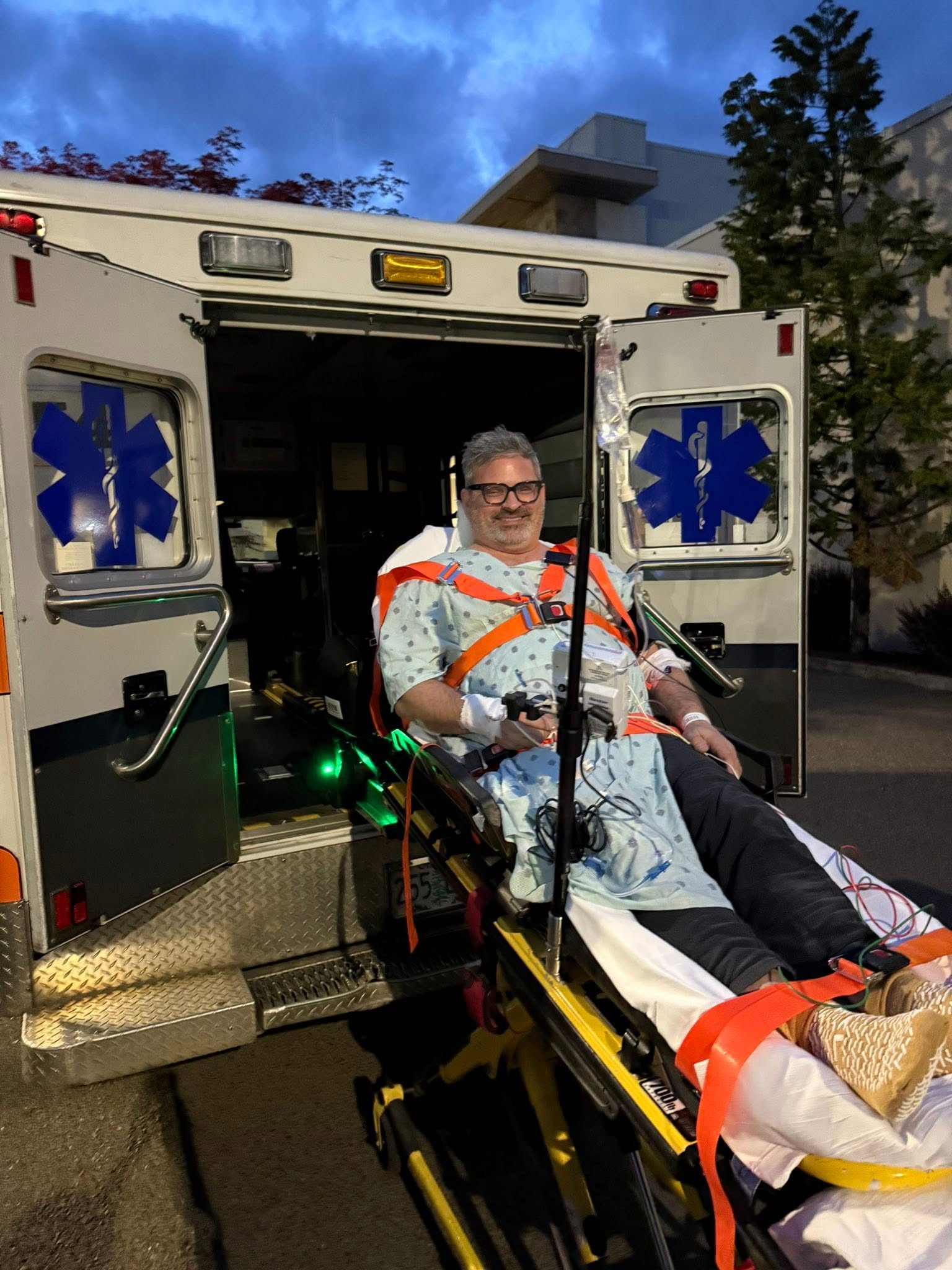
Here are some of the things I've learned since then and a view into my recovery.
The weight number
The single biggest risk factor I'm carrying is my weight. At 5'9" I was 226 pounds when I had the heart attack. In the first month after the stent I dropped to 205, mostly from the shock of the diet changes and eating like somebody who'd just been reminded he's mortal. Then I got comfortable, portion control slipped, and I've slid back up to 214.
My oldest daughter gets married on August 29, which is just shy of two months from now, and my goal is to be at 200 by then. That's 14 pounds in under 60 days, which isn't crazy but it isn't going to happen on its own either. I'd better get busy.
The diet
The new rules are low salt, low fat, low sugar, and low alcohol. I'm trying to embrace a Mediterranean diet — more fish, more vegetables, olive oil instead of butter, whole grains instead of the white stuff, and a lot less red meat. It's not a punishment diet... the food is genuinely good, but I am always hungry and anything that looks good in the fridge is almost always not an option. The hardest part is portion control, which is where I've been losing ground over the last few weeks.
Cardiac rehab
I go to cardiac rehab three times a week. It's a supervised exercise program at the hospital — they hook you up to monitors, watch your heart rate and blood pressure, and gradually build you back up on the treadmill, the bike, and the weights. The staff there is fantastic, and being surrounded by other people going through the same thing takes a lot of the fear out of it.
The biggest lesson from rehab, and I've heard it from every nurse and every cardiologist I've talked to, is that daily exercise is the single most effective thing you can do to reduce the risk of a second heart attack. Even more than what you eat. That was a surprise to me because I assumed diet was the whole ball game. It's a huge part, but consistent movement matters more.
A lot of people track this with something like a heart rate fitness tracker — makes it obvious on a bad day whether you actually moved enough, instead of just assuming you did.
Slower is faster
The other lesson, and this one took me a while, is that slower is faster in recovery. Every time I've tried to push harder than my body was ready for — walk longer, lift something heavier, get back to normal quicker — I've paid for it with a day or two of feeling wiped out and losing ground. When I hold back and let the recovery happen at its own pace, I progress faster over the course of a week. Counterintuitive, but it's played out that way over and over.
The daily numbers
I check my blood pressure regularly now with an Omron Intellisense home unit. Nothing fancy — you slip the cuff on, push the button, wait for the beep, and write it down. Watching the numbers over time is useful because you can see the effect of a bad night's sleep, a salty meal, or a stressful day on the actual reading. That's also how I knew the pain in my chest was more than just soreness from doing pushups!
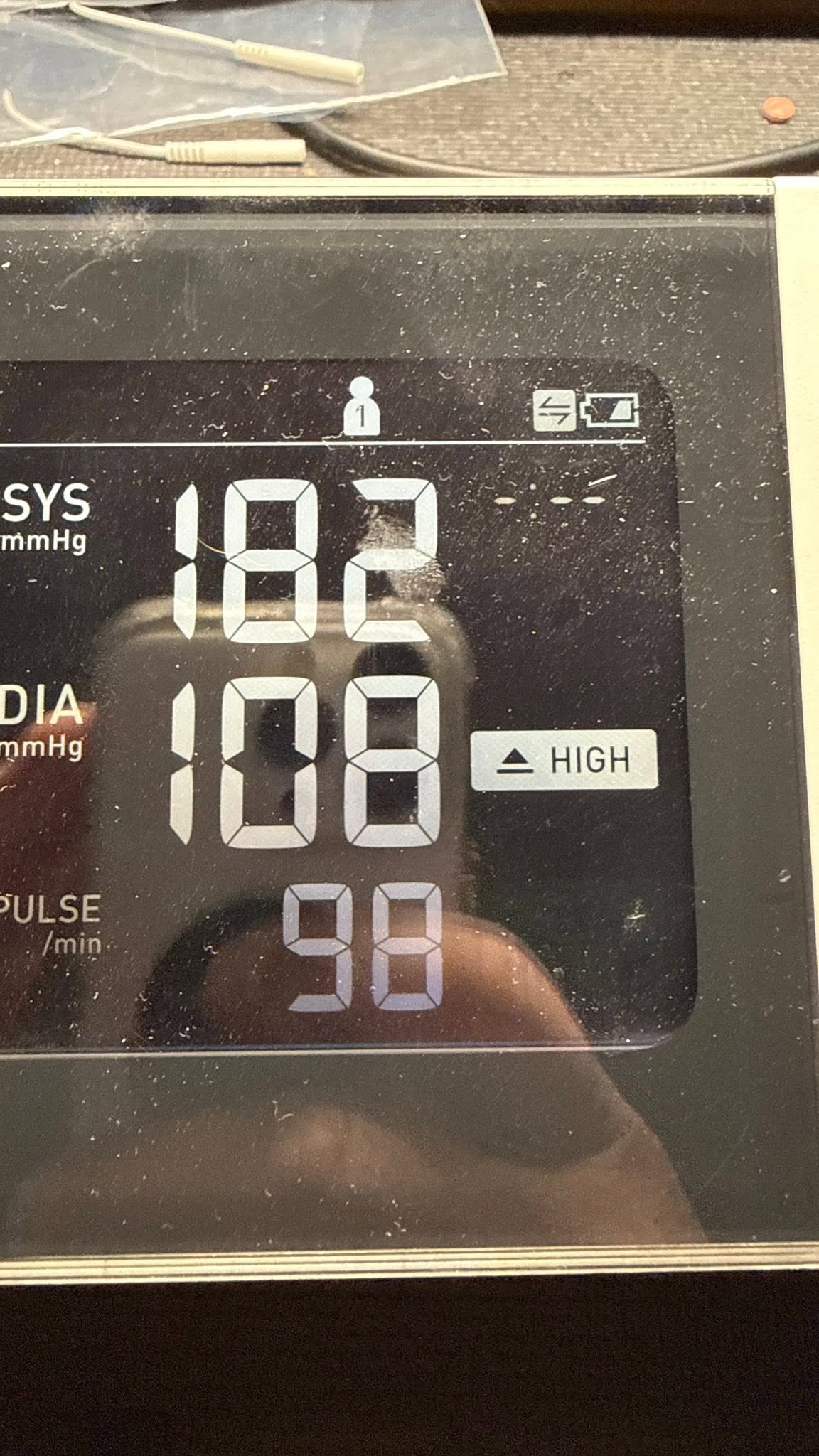
The medication list has also gotten longer. I'm on aspirin, blood thinners, and cholesterol reducers from the heart attack, on top of medications I was already taking for other long-term issues like restless leg syndrome. It's a lot of pills, and I keep them in one of those weekly organizers because otherwise I'd never keep track.
Where I am now
Two months out, I feel good. Not 100%, but a lot closer than I expected to be. The stent did its job, the rehab is working, the diet is mostly working when I stick to the portions, and the numbers on the blood pressure cuff have come down into a range my cardiologist is happy with. I actually just ran over a mile right before writing this post - granted, I did it in intervals but it still felt great to be able to go that far.
What I'm not doing is taking any chances. A 90% blockage in the widowmaker is the kind of thing that gets your attention, and mine has it. I've got a wedding to walk my daughter into on August 29, and I plan to be there feeling better than I have in years.
Drop me a note if you're going through something similar or in the past. I'd love to compare notes!
Leave a comment